Fashion & beauty
Fashion and beauty have evolved far beyond superficial trends and fleeting aesthetics. Today, they represent a sophisticated intersection of self-expression, scientific understanding, and intentional decision-making. Whether you’re streamlining your morning routine, decoding skincare ingredient lists, or learning to dress for your body’s unique proportions, the foundational principles remain surprisingly consistent: understand the fundamentals, recognize your individual needs, and make informed choices that align with your lifestyle.
The sheer volume of advice available can feel overwhelming, often leading to cluttered closets filled with impulse purchases, bathroom cabinets stocked with conflicting products, and a persistent sense that you’re somehow “doing it wrong.” This comprehensive resource cuts through the noise by addressing the core concepts that underpin effective wardrobe curation, evidence-based skincare, makeup application mastery, sustainable consumption, and styling techniques that actually translate to real life. By understanding these interconnected principles, you’ll develop the confidence to make choices that serve you rather than chasing endless external validation.
Building a Wardrobe That Actually Works for You
The concept of a functional wardrobe begins with a simple but often overlooked truth: more clothing doesn’t equal more options. Research in behavioral psychology reveals that excessive choice creates decision fatigue, the mental exhaustion that comes from making too many inconsequential decisions. When you open your closet to face fifty mediocre pieces instead of twenty exceptional ones, you’re not experiencing abundance—you’re experiencing cognitive overload.
A strategic approach starts with identifying which pieces earn their space. Quality indicators include fabric composition (natural fibers generally outlast synthetics), construction details (finished seams, reinforced stress points, functional buttonholes), and weight appropriate to the garment’s purpose. A well-constructed cotton shirt might cost three times what a discount version does, but if it lasts five times longer and maintains its appearance, the cost-per-wear calculation shifts dramatically.
The tension between trendy and timeless pieces requires balance rather than absolute rules. Trend-driven items add personality and relevance to your wardrobe, but they should represent perhaps twenty percent of your total pieces. The remaining foundation consists of items with enduring silhouettes and versatile colors. Consider these criteria when evaluating potential additions:
- Versatility: Can it be styled in at least three distinctly different ways?
- Longevity: Will the cut, color, and fabric remain relevant beyond a single season?
- Integration: Does it work with multiple existing pieces in your wardrobe?
- Seasonal rotation: Can it transition between seasons with appropriate layering?
Rotating items seasonally doesn’t mean complete wardrobe replacement. It means strategically storing off-season pieces and evaluating each item’s condition before reintroducing it. This practice extends garment lifespan and provides natural opportunities to reassess what you actually wear versus what you merely own.
The Science Behind Healthy Skin
Skincare efficacy relies less on product quantity than on understanding fundamental dermatological principles. The skin barrier—the outermost layer of your epidermis—functions as your body’s primary defense against environmental stressors, irritants, and moisture loss. When compromised through over-cleansing, harsh ingredients, or excessive exfoliation, this barrier manifests distress through sensitivity, dryness, inflammation, and paradoxically, sometimes increased oil production.
Repairing a damaged barrier requires strategic simplification. Strip your routine down to gentle cleansing, barrier-supporting ingredients like ceramides and fatty acids, and broad-spectrum sun protection. Think of barrier repair like healing a minor wound: you wouldn’t scrub it daily with abrasive materials or apply ten different treatments. The same restraint applies here.
pH balance represents another frequently misunderstood concept. Healthy skin maintains a slightly acidic pH around 4.5 to 5.5, which supports beneficial microbiome bacteria and optimal barrier function. Traditional bar soaps often have alkaline pH levels around 9 to 10, temporarily disrupting this balance. While healthy skin typically restores its pH within hours, chronic disruption can contribute to sensitivity and barrier dysfunction.
Product layering follows a logical sequence based on texture and function:
- Cleanse: Remove makeup, sunscreen, and surface debris without stripping natural oils
- Water-based treatments: Apply lightest-textured products first (toners, essences, serums)
- Oil-based treatments: Follow with heavier serums or facial oils
- Moisturize: Seal in previous layers with an appropriate moisturizer
- Protect: Finish morning routines with sunscreen as your final skincare step
Exfoliation methods divide into physical (scrubs, brushes) and chemical (acids like AHAs, BHAs, and PHAs). Chemical exfoliants generally provide more uniform results with less risk of micro-tears or irritation when used appropriately. The critical word is “appropriately”—many people assume daily exfoliation produces better results, when in reality, over-exfoliation damages the barrier, increases sensitivity, and ultimately worsens the concerns they’re trying to address. Most skin types benefit from exfoliation just two to three times weekly.
Makeup Mastery: Beyond Basic Application
Color theory transforms makeup from guesswork into intentional artistry. The color wheel principles used by painters and designers apply directly to cosmetics: complementary colors (opposites on the wheel) create contrast and vibrancy, while analogous colors (neighbors on the wheel) create harmony and cohesion.
Understanding your skin undertone—the subtle hue beneath your surface skin color—determines which shades enhance versus clash with your natural coloring. Undertones generally fall into three categories: cool (pink, red, or blue undertones), warm (yellow, peachy, or golden undertones), and neutral (a balanced mix). A simple test involves examining the veins on your inner wrist under natural light: predominantly blue veins suggest cool undertones, greenish veins indicate warm undertones, and difficulty distinguishing suggests neutral undertones.
This knowledge directly impacts foundation matching, lip color selection, and even eyeshadow choices. A person with cool undertones wearing an orange-based lipstick might appear sallow, while that same shade could look vibrant on someone with warm undertones. The issue isn’t the product quality—it’s the mismatch between undertone and color selection.
Texture finishes—matte, satin, shimmer, and metallic—serve both aesthetic and strategic purposes. Matte textures minimize the appearance of texture and oil, making them suitable for oily skin or areas you want to recede visually. Luminous and shimmer finishes catch light, drawing attention and creating dimension. Strategic placement matters: highlighting the high points of your face (cheekbones, bridge of nose, cupid’s bow) creates dimension, while applying shimmer to areas you want to minimize (under-eye bags, blemishes) accentuates rather than conceals.
Application sequencing follows practical logic. Face makeup progresses from base (primer, foundation) through color (blush, bronzer, highlighter) to setting products. Eye makeup typically proceeds from eyeshadow (lightest to darkest shades) through eyeliner to mascara. This order prevents having to redo earlier steps and allows each product to layer effectively. One crucial but often ignored factor: lighting conditions dramatically affect both application and perception. Makeup applied in warm, dim bathroom lighting may appear completely different in cool, bright office fluorescence.
Sustainable Style Without Compromise
The fashion industry produces an estimated 92 million tons of textile waste annually, with the average person discarding approximately 81 pounds of clothing each year. These staggering figures reflect a cultural shift toward viewing garments as disposable rather than durable goods. Sustainable fashion addresses this crisis through multiple approaches: buying less but better, extending garment lifespans, and participating in circular fashion economies.
Thrifting and secondhand shopping represent practical sustainability with the added benefit of accessing quality pieces at reduced prices. High-end designer items frequently appear in consignment shops, estate sales, and online resale platforms at fractions of their retail costs. However, this market’s growth has unfortunately attracted counterfeit goods. Spotting designer fakes requires attention to specific details:
- Construction quality: Authentic luxury goods feature impeccable stitching, aligned patterns, and quality hardware
- Materials: Genuine leather has irregular grain patterns and a distinctive smell; hardware has substantial weight
- Labels and stamps: Authentic pieces show consistent logo placement, proper spelling, and quality printing
- Price reality: If the price seems impossibly low for an authentic item, it probably is
Understanding the distinction between vintage and retro prevents both miscommunication and overpaying. Vintage refers to authentic garments from a previous era, typically at least twenty years old. Retro describes newly manufactured items styled to evoke past aesthetics. A genuine vintage 1970s leather jacket carries different value—both monetary and cultural—than a retro jacket made recently in a ’70s style.
Corporate greenwashing, where companies exaggerate or fabricate environmental credentials, has become increasingly sophisticated. Vague terms like “eco-friendly,” “natural,” or “conscious collection” often lack substantive meaning without specific certifications or transparent supply chain information. Genuine sustainability claims include specific, verifiable details: percentage of recycled materials, third-party certifications (GOTS, OEKO-TEX, Fair Trade), or concrete information about manufacturing conditions and environmental impact.
The Art of Modern Styling
Styling transcends simply wearing clothes; it involves understanding proportions and visual balance. The human eye naturally seeks equilibrium, which is why pairing voluminous tops with fitted bottoms (or vice versa) creates more visually pleasing silhouettes than combining loose pieces or skin-tight items head to toe. This principle doesn’t dictate rules so much as provide a framework for intentional choices.
Visual weight distribution considers not just volume but also color, pattern, and texture. Dark colors recede while light colors advance. Bold patterns draw attention. Heavy textures (chunky knits, thick leather) carry more visual weight than light ones (silk, fine cotton). Balancing these elements across your outfit creates cohesion. For instance, if you’re wearing attention-grabbing patterned trousers, a simpler top prevents visual competition.
Seemingly minor techniques like mastering the tuck create surprising impact. A full tuck (entire shirt tucked in) creates definition at the waist and elongates legs. A half-tuck or French tuck (just the front portion tucked) adds casual polish while maintaining relaxed proportions. A front tuck on one side only introduces asymmetry and movement. Each approach serves different aesthetic goals and body types.
Fabric weight selection matters more than many realize. Wearing heavy wool trousers in summer isn’t just uncomfortable—the fabric won’t drape properly, creating bunching and poor silhouette. Conversely, lightweight fabrics in winter may require extensive layering to achieve appropriate warmth and structure. Understanding seasonal fabric weights (tropical wool, linen blends, ponte knits) allows you to dress appropriately while maintaining style integrity.
Common fit errors undermine otherwise strong outfits. Shoulder seams should hit at your natural shoulder point, not drooping down your arm or pulling across your back. Trouser break (where pants hit your shoes) dramatically affects leg line—too much fabric pooling creates sloppiness, while too little can appear juvenile. These details seem minor individually but collectively determine whether an outfit looks intentionally styled or accidentally assembled.
Color Confidence in Fashion and Beauty
Color psychology reveals that hues influence both wearer perception and observer response. Red conveys confidence and energy but can read as aggressive in certain contexts. Blue projects calm competence and trustworthiness. Black signals sophistication and authority. These associations aren’t universal—cultural contexts shift color meanings—but understanding general patterns helps you make strategic choices.
Integrating bold colors confidently starts with determining your personal color palette through analyzing which undertones complement your natural coloring. This doesn’t mean restricting yourself to “your colors,” but rather understanding which shades require more intentional styling. If bright orange clashes with your complexion, you might wear it as trousers or a skirt rather than adjacent to your face.
Accessorizing with color pops provides a lower-commitment way to experiment. A vibrant bag, statement earrings, or bold lip color introduces personality to an otherwise neutral outfit without overwhelming your silhouette. This approach particularly suits professional environments where dress codes limit options or personal preferences lean toward minimalism.
Tonal contrast—the relationship between your natural coloring and your clothing colors—affects how you appear. High contrast individuals (very light skin with very dark hair, for instance) typically look harmonious in high-contrast outfits, while low-contrast individuals often find monochromatic or tonal dressing more flattering. These aren’t rigid rules but useful starting points for experimentation.
Making Trends Work for Your Personal Style
The nostalgia cycle describes fashion’s tendency to revive aesthetics from approximately twenty to thirty years prior. This timeline makes sense developmentally: people who experienced those trends during formative years now hold creative and economic influence, while younger generations encounter these aesthetics fresh. Currently, ’90s and early 2000s trends dominate, but understanding this pattern helps you contextualize what you’re seeing in stores and online.
Updating retro silhouettes for contemporary wear requires selective adaptation rather than literal reproduction. A 1990s slip dress might now be layered over a fitted turtleneck instead of worn alone. Wide-leg trousers inspired by 1970s styles might feature modern fabrications and streamlined details. This approach captures nostalgic appeal while maintaining current relevance.
Rise heights on trousers and jeans fundamentally alter proportions and overall aesthetic. Low-rise styles elongate the torso while shortening legs visually. High-rise options do the opposite, creating leg length while abbreviating the torso. Mid-rise provides neutral proportions. Your body type, personal comfort, and the specific outfit context should all inform your choice rather than simply following current trends.
Mixing decades successfully requires a light hand and strong foundation. Pair one statement vintage or vintage-inspired piece with contemporary basics. A 1980s oversized blazer gains modern edge when worn with sleek contemporary trousers and minimal accessories. This prevents costume-like aesthetics while allowing you to incorporate diverse influences into a cohesive personal style.
Developing confidence in fashion and beauty ultimately stems from understanding core principles rather than memorizing rules. Skin health depends on respecting your barrier function, not product quantity. Flattering makeup relies on color theory and undertone awareness, not following every viral technique. Sustainable wardrobes emerge from intentional curation, not closet volume. When you grasp these fundamentals, trends become tools for self-expression rather than sources of anxiety, and your personal aesthetic can evolve authentically alongside your changing life and preferences.
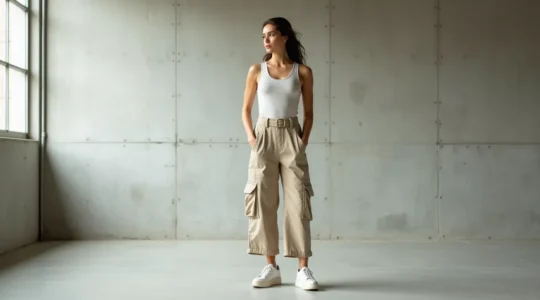
How to Wear 90s and Y2K Trends Today Without Looking Like a Costume?
Successfully wearing 90s and Y2K fashion today isn’t about recreating old outfits; it’s about avoiding the ‘costume’ trap by mastering the art of modern aesthetic referencing. The key is the 70/30 principle: 70% of your outfit should be modern, timeless…
Read more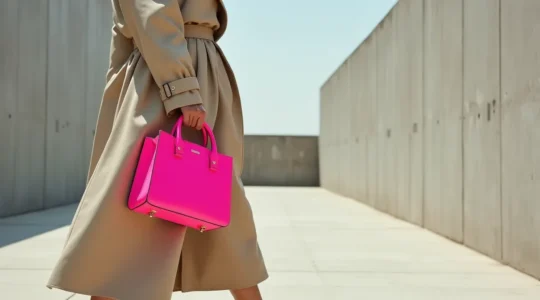
How to Integrate Neon Accents Into a Neutral Wardrobe for a Modern, Confident Look
The secret to wearing neon isn’t about being loud; it’s about using it as a strategic tool to boost your mood and masterfully define your silhouette. Treat neon as a “visual anchor” to give shape to oversized or neutral outfits,…
Read more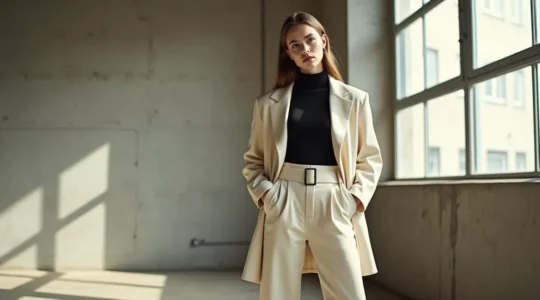
How to Style Oversized Clothing Without Losing Your Shape
In summary: Stop trying to find your shape; the key is to create a new, intentional silhouette using volume. Every oversized outfit needs one “anchor point”—a single fitted element that grounds the look. Use techniques like the French tuck and…
Read more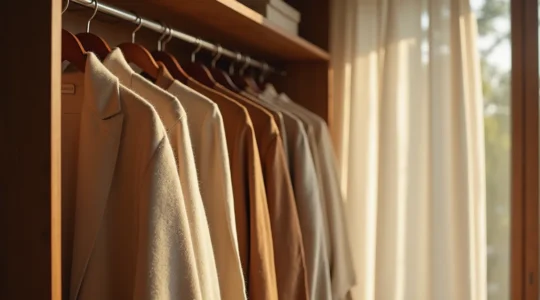
The Art of the Hunt: Curating a High-End Wardrobe from Ethical Second-Hand Finds
Contrary to popular belief, building a luxury second-hand wardrobe isn’t about luck; it’s a skill based on decoding garments and understanding the global fashion system. True value is found by acting as a “textile detective,” authenticating materials and reading historical…
Read more
Color Theory for Makeup: A Technical Guide to Choosing Shades That Sculpt and Define
In summary: Your makeup looks ‘off’ not because of the color, but because of its saturation (chroma) clashing with your skin’s. Lighting is not neutral; the color temperature of your lights dramatically alters how your makeup appears to you and…
Read more
A Dermatologist’s Guide to Repairing Your Skin Barrier and Calming Irritation
The fastest way to repair a damaged skin barrier isn’t by adding new “miracle” products, but by strategically removing aggressors and supporting the skin’s own healing process. Harsh cleansers and over-exfoliation strip the skin’s protective acid mantle, leading to moisture…
Read more
Build a Capsule Wardrobe That Works: A Stylist’s Guide to Fit and Function
In summary: Stop decluttering aimlessly and start building a strategic “wardrobe architecture” based on your lifestyle. Prioritize investment in timeless basics by understanding their long-term value through “cost-per-wear.” Master color science to choose shades that enhance your natural complexion, eliminating…
Read more