Home & decoration
Your home is more than a collection of rooms and furniture—it’s a living ecosystem that shapes your daily mood, productivity, and well-being. The difference between a house that merely shelters and a home that nurtures lies in thoughtful decoration choices that balance beauty with practicality. Yet many people feel overwhelmed by the sheer breadth of decisions involved, from selecting paint colors to organizing closets, from choosing outdoor furniture to developing a personal aesthetic.
This comprehensive resource breaks down home decoration into its essential components, offering a clear roadmap through the interconnected worlds of interior design, personal style, spatial optimization, and home maintenance. Whether you’re furnishing your first apartment or reimagining a longtime residence, understanding these foundational principles will help you create spaces that truly reflect how you live and what you value.
The Foundation: Designing Spaces That Work and Feel Right
Great interior design begins with a simple truth: a room must function well before it can look beautiful. The most visually stunning space becomes a source of daily frustration if it doesn’t accommodate actual human behavior and needs.
Balancing Beauty With Daily Functionality
Think of your home as a stage where life happens. The psychology of comfort involves understanding how environments affect our mental state—high ceilings create openness but can feel cold without proper textiles; warm lighting promotes relaxation while cool lighting enhances focus. Successful design anticipates real-world use: kitchen islands positioned for conversation, reading nooks with adequate natural light, and entryways that naturally catch dropped keys and mail.
Material selection plays a crucial role here. Durable materials that appear high-end—like porcelain tiles mimicking marble, engineered hardwoods, or performance fabrics—allow you to maintain visual appeal without constant anxiety about wear and tear. A family with young children can enjoy beautiful spaces when materials are chosen strategically.
Creating Flow and Spatial Harmony
In open-plan spaces, flow becomes particularly critical. The concept works like a river current—you want movement to feel natural and unobstructed. Common layout mistakes include blocking natural walkways with furniture, creating “dead zones” that serve no purpose, or failing to define different functional areas within a larger space. Acoustic optimization often gets overlooked in open designs, yet hard surfaces without adequate sound absorption can make conversations difficult and amplify everyday noise into stressful cacophony.
Discovering and Expressing Your Personal Style
Personal style in home decoration isn’t about following trends—it’s about identifying what genuinely resonates with you and translating that into tangible design choices. This process requires both introspection and experimentation.
Defining Your Aesthetic Direction
Start by creating a cohesive mood board that collects images, textures, and colors that appeal to you without overthinking why. Patterns will emerge organically. Do you gravitate toward clean lines or ornate details? Muted tones or saturated hues? Once you identify these preferences, color theory provides the framework to combine them successfully—understanding complementary colors, the 60-30-10 proportion rule, and how different shades affect perceived room size and warmth.
The real skill lies in mixing design eras effectively without creating visual chaos. A mid-century modern sofa can coexist beautifully with a traditional Persian rug if they share a common color palette or level of visual weight. The key is intentionality—each piece should feel like a deliberate choice rather than a random collection.
Curating Impact Without Clutter
Visual clutter happens when every surface competes for attention. To prevent this, establish clear focal points in each room—perhaps a statement art piece, an architectural feature, or a beautifully styled bookshelf. Everything else should support rather than compete with these anchors. When choosing art specifically, consider scale (oversized pieces often work better than gallery walls in creating impact), personal meaning, and how colors interact with existing elements.
Avoiding trend traps means distinguishing between timeless design principles and fleeting fads. Ask yourself: will I still appreciate this in five years? Does it serve a genuine function or improve my daily life? Trends can inform your choices, but shouldn’t dictate them.
Smart Space Planning for Every Square Foot
Maximizing functionality becomes essential in shared domestic spaces, smaller homes, or multi-purpose rooms. The goal isn’t cramming more into less—it’s making every element work harder and smarter.
Vertical Thinking and Convertible Solutions
Most people dramatically underutilize vertical space. Wall-mounted shelving, tall bookcases, and hanging storage can effectively double your usable area. Convertible furniture—Murphy beds, extendable dining tables, ottomans with hidden storage—allows rooms to transform based on immediate needs. A home office can become a guest room within minutes when furniture serves multiple purposes.
Visual Division and Proper Scaling
Dividing spaces visually without physical walls requires strategic furniture placement, area rugs that define zones, and sometimes lightweight room dividers or open shelving units. The most common furniture scaling error is choosing pieces too large or too small for the room—a sectional sofa that overwhelms a small living room, or a dining table that seems to float awkwardly in a large space. Measure carefully and use painter’s tape on floors to visualize footprints before purchasing.
Planning for guest accommodation in homes without dedicated guest rooms might involve a high-quality sleeper sofa, a daybed in a home office, or even a comfortable air mattress paired with proper bedding stored accessibly. The key is ensuring guests feel welcomed without permanently dedicating space you need daily.
Organization Systems That Actually Last
The difference between organization systems that maintain themselves and those that collapse within weeks comes down to understanding human behavior and designing for it, not against it.
Solving the Drop Zone Problem
The “drop zone” phenomenon—where keys, mail, bags, and random items accumulate near entryways—happens because people naturally shed these items when entering. Fighting this impulse is futile. Instead, create intentional drop zones with hooks, shallow bowls for keys, mail sorting stations, and charging stations for devices. When the system aligns with natural behavior, it maintains itself.
Strategic Storage Solutions
Under-utilized storage opportunities exist in most homes: the space under stairs, above doorways, inside cabinet doors, and under beds. Building or installing storage in these areas can significantly reduce visible clutter. When comparing closet systems, consider your specific items—someone with many shoes needs different configuration than someone with primarily hanging garments. Customized solutions always outperform one-size-fits-all approaches.
Preventing stuff accumulation requires honest assessment: establish a “one in, one out” principle for categories prone to excess, conduct seasonal purges, and resist purchasing items without designated storage locations. Kitchen cabinetry optimization might involve pull-out shelves, vertical dividers for baking sheets, or drawer organizers that keep utensils from becoming tangled chaos.
Bringing Character Through Vintage and History
Incorporating history into modern design adds depth and personality that new items alone cannot achieve. A room filled entirely with contemporary pieces can feel sterile, while thoughtfully integrated vintage elements create narrative and soul.
Sourcing and Evaluating Vintage Pieces
Identifying valuable finds requires research and a trained eye. Look for quality construction—dovetail joints in drawers, solid wood rather than particleboard, original hardware. Not everything old is valuable, and not everything valuable is worth your space. Consider whether a piece fits your functional needs and aesthetic direction before falling in love with its age alone.
Timing sourcing trips strategically—estate sales at month’s end, flea markets in inclement weather when crowds thin—can yield better selection and pricing. Online marketplaces have expanded access but require careful vetting through detailed photos and questions about condition.
Restoration Versus Preservation
The restoring versus preserving debate centers on authenticity and functionality. Original patina often adds character that aggressive restoration destroys, yet a wobbly chair or damaged finish might require intervention. The key is thoughtful assessment—stabilize and clean, but preserve original elements when possible. Avoid structural damage during renovation attempts; some pieces require professional expertise.
Balancing old and new successfully often means letting vintage pieces anchor a room while surrounding them with simpler contemporary items that don’t compete. An ornate antique cabinet becomes a statement piece against clean-lined modern furnishings.
Creating and Maintaining Beautiful Outdoor Spaces
Outdoor spaces extend your living area and connect you with seasonal rhythms, but they require different planning than interiors, particularly regarding weather exposure and maintenance cycles.
Foundation: Soil, Irrigation, and Seasonal Planning
Soil health forms the foundation of any successful garden or landscape. Understanding your specific soil composition—clay, sand, or loam—determines which plants will thrive and what amendments you need. Automated irrigation systems eliminate the daily chore of watering while ensuring consistency, though they require proper programming for seasonal adjustment and occasional winterization in cold climates.
Mulching strategies serve multiple purposes: moisture retention, weed suppression, and temperature regulation. Organic mulches break down over time, enriching soil, while inorganic options last longer with less maintenance. A year-round maintenance plan prevents overwhelming spring rushes—schedule seasonal tasks like pruning (avoiding common timing mistakes that reduce flowering), fertilizing, and bed preparation.
Selecting Weather-Resistant Outdoor Furniture
Material degradation from UV exposure, moisture, and temperature fluctuations destroys outdoor furniture quickly unless you choose appropriately. Teak and hardwoods develop attractive silver patina naturally but require annual cleaning and optional oiling to maintain color. Comparing metal options: aluminum resists rust but can feel lightweight and less stable; powder-coated steel offers durability with proper maintenance; wrought iron provides classic aesthetics but needs rust prevention.
Preventing cushion mold requires storage during extended wet periods or choosing quick-drying foam with breathable, solution-dyed acrylic fabrics. Timing seasonal protection—covering or storing furniture before harsh weather arrives—extends lifespan significantly.
Healthy Home Practices for Long-Term Well-Being
The products you use to clean and maintain your home directly impact indoor air quality and health, yet many conventional cleaners contain respiratory triggers and potentially harmful chemicals.
Replacing toxic cleaners with safe alternatives doesn’t mean sacrificing effectiveness. Simple ingredients like vinegar, baking soda, castile soap, and hydrogen peroxide handle most household cleaning when formulated correctly. Effective natural cleaners often outperform commercial options without introducing volatile organic compounds that linger in indoor air.
Identifying respiratory triggers matters particularly for children, elderly family members, or those with sensitivities. Common culprits include synthetic fragrances, ammonia, chlorine bleach, and aerosol propellants. When selecting natural scents, essential oils offer customization, though proper dilution prevents skin sensitivity and some aren’t safe around pets.
Avoiding dangerous mixtures is crucial—never combine vinegar and hydrogen peroxide, or bleach with anything acidic, as these create toxic gases. Understanding product shelf life for homemade cleaners (typically weeks to months depending on ingredients) ensures effectiveness and prevents bacterial growth in stored solutions.
Creating a home that nurtures requires viewing decoration as an ongoing practice rather than a final destination. Each choice—from paint colors to cleaning products—represents an opportunity to align your environment with your values and daily needs. Start with the areas causing most frustration, apply these foundational principles, and build momentum through small, thoughtful improvements that accumulate into transformation.

How to Replace Toxic Cleaning Products With Safe and Effective Homemade Solutions
The secret to non-toxic cleaning isn’t a magic recipe; it’s understanding basic chemistry to maximize effectiveness while ensuring your family’s safety. Many commercial “fresh scents” are linked to migraines and poor indoor air quality due to undisclosed Volatile Organic Compounds…
Read more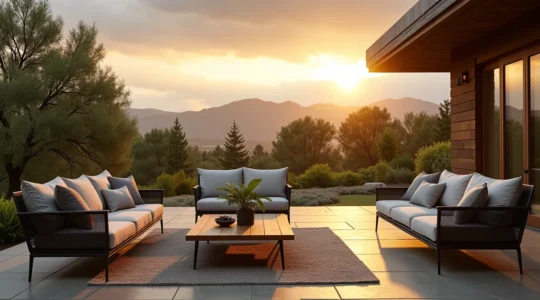
How to Choose Outdoor Furniture That Lasts a Decade: A Material Engineer’s Guide
True 10-year outdoor furniture durability isn’t found in a specific brand, but in understanding material science to select pieces engineered to defeat specific environmental attacks. Material failure is predictable: plastic cracks from UV radiation (photodegradation), metal rusts from electrochemical reactions…
Read more
How to Maintain a Lush Landscape All Year With Minimal Weekly Effort?
Most homeowners feel trapped in a cycle of endless landscape chores because they treat their yard as a collection of individual tasks. The key to a beautiful, low-effort property is to stop thinking in tasks and start building an automated…
Read more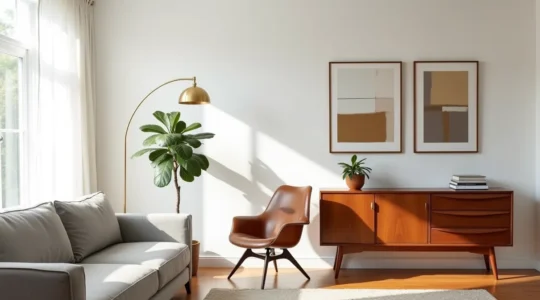
How to Curate Vintage Decor So Your Home Looks Timeless, Not Dated
The secret to a timeless home isn’t just mixing old with new; it’s treating vintage pieces as curated assets, not just decorations. Authentic vintage, especially mid-century design, often appreciates in value, unlike new furniture which depreciates immediately. Success lies in…
Read more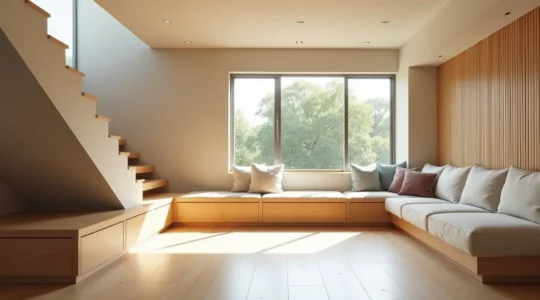
How to Integrate Smart Storage That Hides Clutter for Good
In summary: Effective organization isn’t about hiding clutter, but about creating systems that make tidiness the default behavior. Focus on building permanent “storage infrastructure” like entryway landing strips and under-stair units that add value to your home. Avoid the “storage…
Read more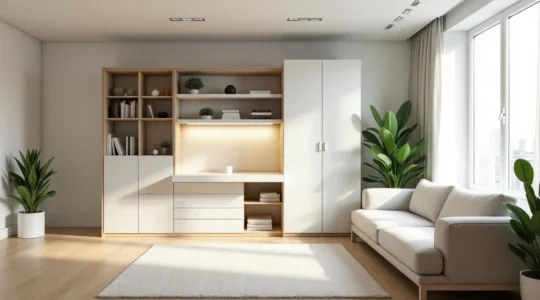
Unlock Your Small Space: A Guide to Multi-Purpose Living Without Clutter
Maximizing a small living area isn’t about buying more foldable furniture; it’s about fundamentally re-engineering your space with a zoning and flow mindset. Treat vertical walls as valuable ‘vertical real estate’ to draw the eye up and store items strategically….
Read more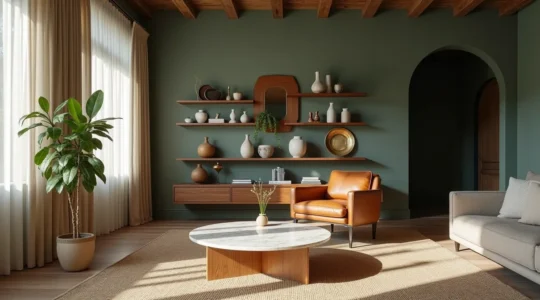
How to Curate a Personal Home Aesthetic That Transcends Fleeting Trends?
A truly timeless home isn’t built by following trends, but by authoring a personal narrative through deliberate design choices. It requires deconstructing common design myths (like ‘white paint always makes rooms bigger’) and mastering the principles of light, texture, and…
Read more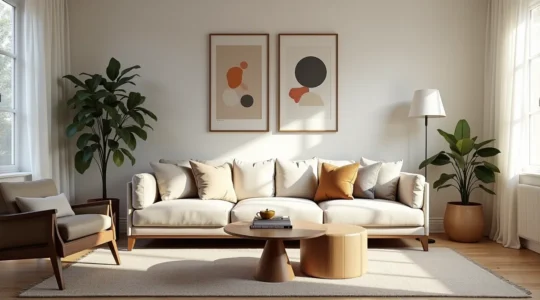
How to Execute a Professional-Level Interior Design Project on a Mid-Range Budget?
Achieving a high-end look is not about having an unlimited budget, but about adopting a professional’s strategic process. The biggest budget killer isn’t expensive taste; it’s the hidden costs of poor planning and logistical errors common in DIY projects. A…
Read more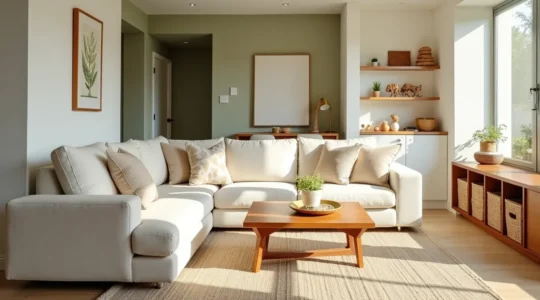
How to Design a Living Space That Is Both Instagram-Worthy and Family-Friendly?
The secret to a beautiful family home isn’t sterile minimalism, but smart, sensory design that embraces the chaos. Minimalist perfection often creates stress; a well-designed home should absorb life, not resist it. Focus on dynamic zones, resilient materials, and layered…
Read more