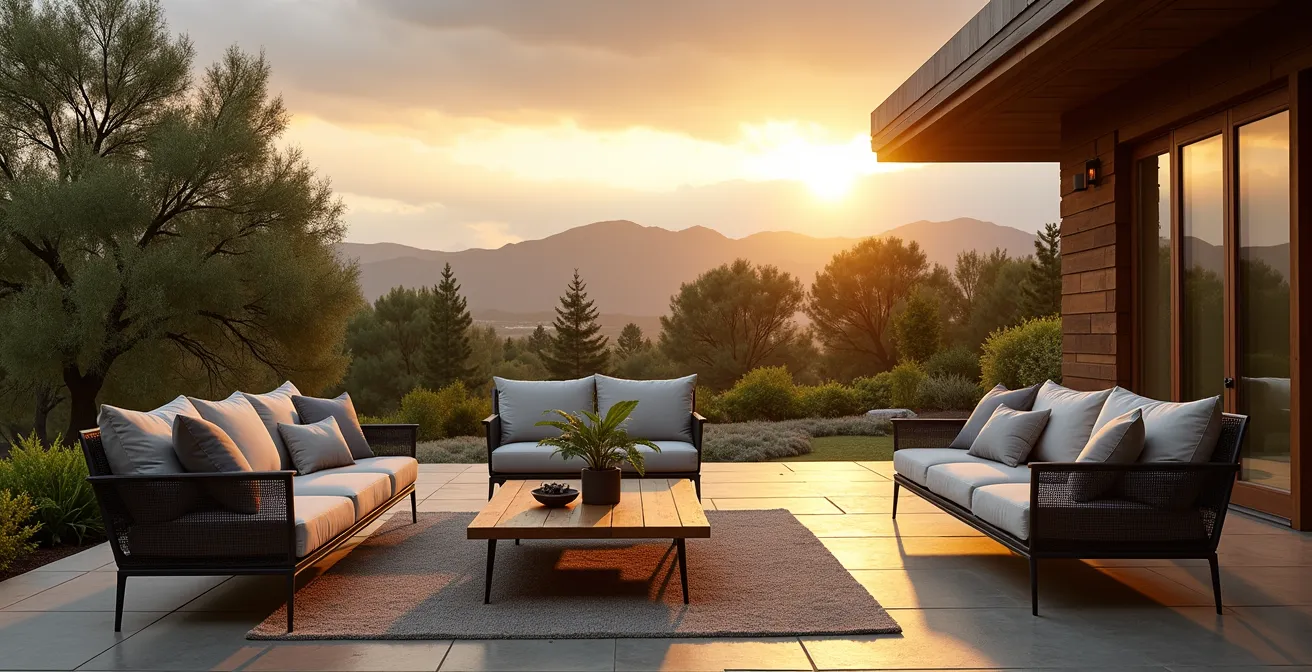
True 10-year outdoor furniture durability isn’t found in a specific brand, but in understanding material science to select pieces engineered to defeat specific environmental attacks.
- Material failure is predictable: plastic cracks from UV radiation (photodegradation), metal rusts from electrochemical reactions (corrosion), and wood degrades from moisture and biological attack.
- Longevity is an engineered outcome, achieved through choices like UV-stabilized polymers, multi-stage powder coatings, and dense, oil-rich hardwoods.
Recommendation: Instead of asking “what material is best,” ask “what material is best engineered to combat the specific threats of my climate (sun, salt, or snow)?”
For many homeowners, the cycle is frustratingly familiar: a beautiful new patio set looks pristine for a summer, maybe two, before the inevitable decline begins. The wicker starts to crack, the metal shows pinpricks of rust, and the vibrant cushions fade to a pale imitation of their former glory. You followed the common advice—you bought “all-weather” wicker or “rust-resistant” aluminum—yet you’re facing the prospect of another costly replacement. This cycle of disappointment isn’t a sign of bad luck; it’s a sign of a fundamental misunderstanding of the forces at play.
The conventional approach focuses on materials, but it rarely dives into the *why*. You’re told teak is good, but not why its high oil content and dense grain starve fungi of the moisture they need to survive. You’re sold on powder-coated aluminum, but not taught to look for the multi-stage cleaning and coating process that separates a 10-year finish from one that flakes in three. The secret to buying furniture that withstands a decade of sun, rain, and snow isn’t about picking a material from a list. It’s about learning to think like a materials engineer.
This guide will shift your perspective. We won’t just list durable materials; we will deconstruct the primary enemies of your outdoor furniture—photodegradation, galvanic corrosion, and freeze-thaw cycles. By understanding how materials fail at a molecular level, you can learn to identify the specific design and manufacturing characteristics that signal true, engineered longevity. This is your guide to making a single, informed investment that will last for years, not just seasons.
To navigate this engineering-focused approach to outdoor furniture, we will systematically break down the most common materials and challenges. This structured overview will equip you with the knowledge to diagnose weaknesses and identify strengths in any piece you consider.
Summary: How to Choose Outdoor Furniture That Withstands Rain, Sun, and Snow for 10 Years?
- Why Wicker Furniture Often Cracks After Two Summers and How to Prevent It?
- How to Restore Grey Teak Furniture to Its Original Golden Color?
- Powder-Coated Aluminum or Wrought Iron: Which Resists Rust Near the Ocean?
- The Storage Error That Ruins Outdoor Cushions During Winter Storage
- When to Cover Your Patio Furniture: Signals That Winter Is Coming?
- How to Identify Truly Sustainable Manufacturing Processes Behind Everyday Products?
- How to Maintain a Lush Landscape All Year With Minimal Weekly Effort?
- How to Identify and Buy Authentic Artisan Crafts Without Exploiting Locals?
Why Wicker Furniture Often Cracks After Two Summers and How to Prevent It?
The sight of brittle, cracking synthetic wicker is a common patio tragedy. This failure isn’t random; it’s a predictable process called photodegradation. Most “all-weather” wicker is made from PVC or polypropylene, polymers whose long molecular chains give the material its flexibility. However, when exposed to the sun’s ultraviolet (UV) radiation, these chains are shattered. The material becomes brittle, loses its color, and eventually cracks under the slightest pressure. Low-quality furniture uses polymers with minimal protection, accelerating this decay.
The defense against photodegradation is engineered at the chemical level. High-quality synthetic wicker is made from High-Density Polyethylene (HDPE), a more robust polymer. Crucially, manufacturers blend UV stabilizers directly into the molten HDPE before it’s extruded into wicker strands. These additives act as microscopic bodyguards, absorbing or deflecting UV radiation before it can damage the polymer’s structure. This is why the market for these protective chemicals is growing; market research on polymer protection shows a 4.98% annual growth in the demand for UV stabilizers, driven by industries seeking longevity. A piece of furniture with integrated UV inhibitors isn’t just “UV-resistant”; it has an active defense system built into its very core.
Beyond the wicker itself, look at the frame. If a steel frame beneath the wicker rusts, it expands and puts pressure on the brittle plastic from within, causing it to split. A powder-coated aluminum frame eliminates this internal threat, ensuring the structure remains stable even if moisture penetrates the weave.
Your Action Plan: Preventing Wicker Photodegradation
- Material DNA: Choose HDPE wicker specifically advertised with integrated UV stabilizers, which absorb harmful radiation at the molecular level.
- Frame Integrity: Verify the frame material. Opt for powder-coated aluminum over steel to prevent internal rust and subsequent pressure on the wicker.
- Surface Shield: Apply a UV protectant spray designed for synthetic wicker every 3-4 months during peak season to add an external layer of defense.
- Damage Control: Learn basic plastic welding techniques with a simple kit to repair small cracks as soon as they appear, preventing them from expanding and compromising the weave.
- Strategic Placement: Position furniture to minimize direct exposure to the intense afternoon sun during peak UV hours (typically 1-4 PM), reducing the total radiation load.
How to Restore Grey Teak Furniture to Its Original Golden Color?
Teak’s reputation as the king of outdoor woods is well-earned. Its exceptional density and high concentration of natural oils (tectoquinone) make it highly resistant to rot, insects, and moisture. However, many new owners are surprised when their expensive golden-hued furniture turns a distinguished silvery-grey within a year. This is not a sign of decay. It is the natural formation of a protective patina as UV light and rain wash away the surface oils, leaving the weathered, oxidized wood underneath. Embracing this silver look is the lowest-maintenance path, requiring only occasional cleaning.
Restoring and maintaining the “new” golden color, however, is an active commitment. It requires a two-stage process: first, a deep cleaning with a specialized two-part teak cleaner that strips away the grey patina and any accumulated dirt or mildew. This is followed by a light sanding to smooth the raised grain. Second, a teak sealer or oil must be applied. A sealer forms a protective barrier on the surface, while oil penetrates to replenish the wood’s natural oils. This process must be repeated annually, as the sun will inevitably break down the finish.
The decision between a golden or silver look is a trade-off between aesthetics and effort, with significant long-term implications for time and cost. A 10-year maintenance strategy analysis reveals the stark differences in commitment required for each appearance.
| Strategy | Annual Hours Required | 10-Year Cost Estimate | Appearance Result |
|---|---|---|---|
| Golden Look (Annual oiling) | 8-10 hours | $500-800 | Maintains original golden color |
| Sealed Look (Biennial sealing) | 4-5 hours | $300-500 | Semi-golden with slight patina |
| Silver Patina (Natural aging) | 1-2 hours | $50-100 | Elegant silver-grey patina |
This data, highlighted by an analysis of weather-resistant furniture choices, makes it clear: the golden look is a choice of labor, while the silver patina is a choice of natural endurance. The visual transformation itself showcases the two distinct states of the wood’s surface.
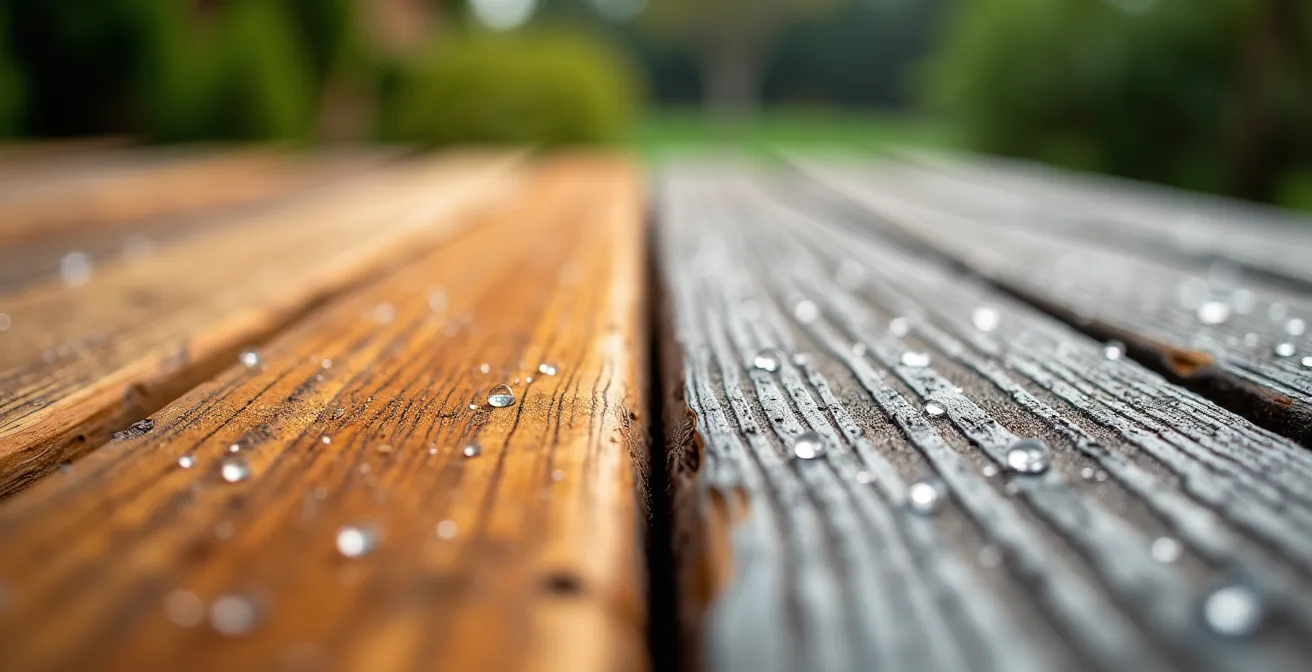
As the image illustrates, the change from a rich, golden grain to a silver patina is a surface-level transformation. The underlying structural integrity of the teak remains intact, protected by its dense composition. Choosing to maintain the golden color is a purely aesthetic decision, not a structural necessity.
Powder-Coated Aluminum or Wrought Iron: Which Resists Rust Near the Ocean?
When selecting metal furniture, especially for coastal areas, the primary enemy is corrosion. Wrought iron, a heavy and traditional choice, is highly susceptible to rust (iron oxide) when its protective coating is breached. In a coastal environment, airborne salt acts as an electrolyte, dramatically accelerating this process. Even a tiny scratch can become a gateway for rust that bubbles and flakes the paint from underneath.
Powder-coated aluminum is the superior material for resisting this attack. Aluminum naturally forms a passive, protective layer of aluminum oxide on its surface, which prevents further corrosion. The powder-coating process adds a much more robust defense than simple paint. It involves electrostatically applying a dry polymer powder that is then cured under heat, fusing it into a thick, durable, and non-porous skin. This shell is significantly more resistant to chipping and scratching than liquid paint. The combination of aluminum’s inherent resistance and the toughness of a high-quality powder coat makes it the clear winner for longevity, especially near the ocean where salt spray is a constant threat.
However, not all aluminum furniture is created equal. The most critical factor is the hardware. If a manufacturer uses cheap, zinc-plated or low-grade steel bolts on an aluminum frame, they create a scenario ripe for galvanic corrosion. In the presence of saltwater, the less noble metal (the steel bolt) will corrode at an accelerated rate, leading to rust stains and eventual joint failure, even if the aluminum frame is untouched. True marine-grade furniture will use 316 stainless steel hardware, which is far more resistant to this electrochemical reaction. As the POLYWOOD Design Team notes in their guide on the best weather-resistant patio furniture for coastal living, material selection is paramount:
The coastal environment is tough on outdoor furniture. Salt air can corrode metals and break down finishes. That’s why marine-grade polymer and weather-resistant HDPE lumber—both resistant to moisture, mildew, and salt—are smart choices for coastal living.
– POLYWOOD Design Team, Best Weather-Resistant Patio Furniture for Coastal Living
Case Study: 10-Year Coastal Exposure Simulation
In a rigorous testing protocol, furniture company Outer demonstrated the value of a systems approach. Their FSC-certified teak frames with powder-coated aluminum joints and marine-grade stainless steel hardware were subjected to 3,000 hours of continuous salt spray testing. This aggressive test is designed to simulate a decade of exposure in a harsh coastal environment. The results showed the furniture maintained its structural integrity, proving that the right combination of materials—corrosion-resistant frame, robust coating, and non-reactive hardware—is the key to defeating saltwater corrosion.
The Storage Error That Ruins Outdoor Cushions During Winter Storage
The single most destructive error in storing outdoor cushions is trapping moisture. Many well-intentioned owners diligently clean their cushions and seal them tightly in plastic bags or bins, believing they are protecting them from dirt and pests. In reality, they are creating a perfect microclimate for mold and mildew. Even cushions that feel completely dry to the touch can retain a significant amount of moisture deep within their foam core. When sealed in a non-breathable container, this trapped moisture has nowhere to go. As temperatures fluctuate in a garage or shed, the moisture condenses, saturates the foam and fabric, and fosters aggressive microbial growth.
The result is a musty odor at best, and at worst, widespread, irremovable black mildew stains that have permanently damaged the fabric. The correct storage protocol is therefore centered on one principle: maintaining airflow. Cushions must be stored in a way that allows any residual moisture to escape. This means using breathable cotton storage bags, not sealed plastic. It also means storing them on open wire shelving, elevated off concrete floors which can wick moisture upwards. Concrete is porous and often releases moisture vapor, which will be readily absorbed by cushions resting directly on it.
The difference in lifespan is dramatic. Cushions stored with proper airflow and moisture control can easily last for years, while those sealed in plastic may be ruined after a single winter. In fact, outdoor furniture durability studies indicate a lifespan of 5 to 10 years with proper storage, compared to just 2-3 years for those left exposed or stored improperly. A critical step before storage is allowing at least 48 hours of air-drying time in a low-humidity environment after a thorough cleaning. For added protection, placing large silica gel packets—the same type found in electronics packaging—between stacked cushions can actively absorb ambient humidity throughout the storage period.
When to Cover Your Patio Furniture: Signals That Winter Is Coming?
Deciding when to cover patio furniture for the winter is more nuanced than simply picking a date on the calendar. Covering too early, especially during a humid autumn, can trap moisture and promote mold growth. Waiting too long exposes your investment to the most damaging weather phenomenon of the season: the freeze-thaw cycle. This occurs when moisture penetrates porous materials like wood, concrete, or unsealed stone, and then freezes. As water turns to ice, it expands by about 9%, exerting immense internal pressure. When the temperature rises and the ice thaws, the water seeps deeper into the newly created micro-cracks. Repeated cycles can split wood, spall concrete, and degrade finishes.
The most critical signal to cover your furniture is therefore the first forecast that predicts a hard frost—specifically, nighttime temperatures dipping below 32°F (0°C) followed by daytime temperatures rising above freezing. This is the official start of the freeze-thaw season. For materials like untreated wood or natural wicker, it’s wise to cover them during extended autumn rainy seasons as well. However, high-quality materials like grade-A teak and properly powder-coated aluminum can often remain uncovered until that first hard frost, as their inherent weather resistance protects them from rain alone.
The type of cover is just as important as the timing. A non-breathable vinyl or plastic tarp is a poor choice. It will trap condensation against the furniture’s surface, creating a humid environment perfect for mildew, essentially creating the same problem as improper cushion storage. Always opt for high-quality, breathable fabric covers. These materials are water-resistant to shed rain and snow, but allow water vapor to escape, keeping the furniture dry underneath. Ensure the cover extends close to the ground but doesn’t seal against it, allowing for crucial airflow from below.
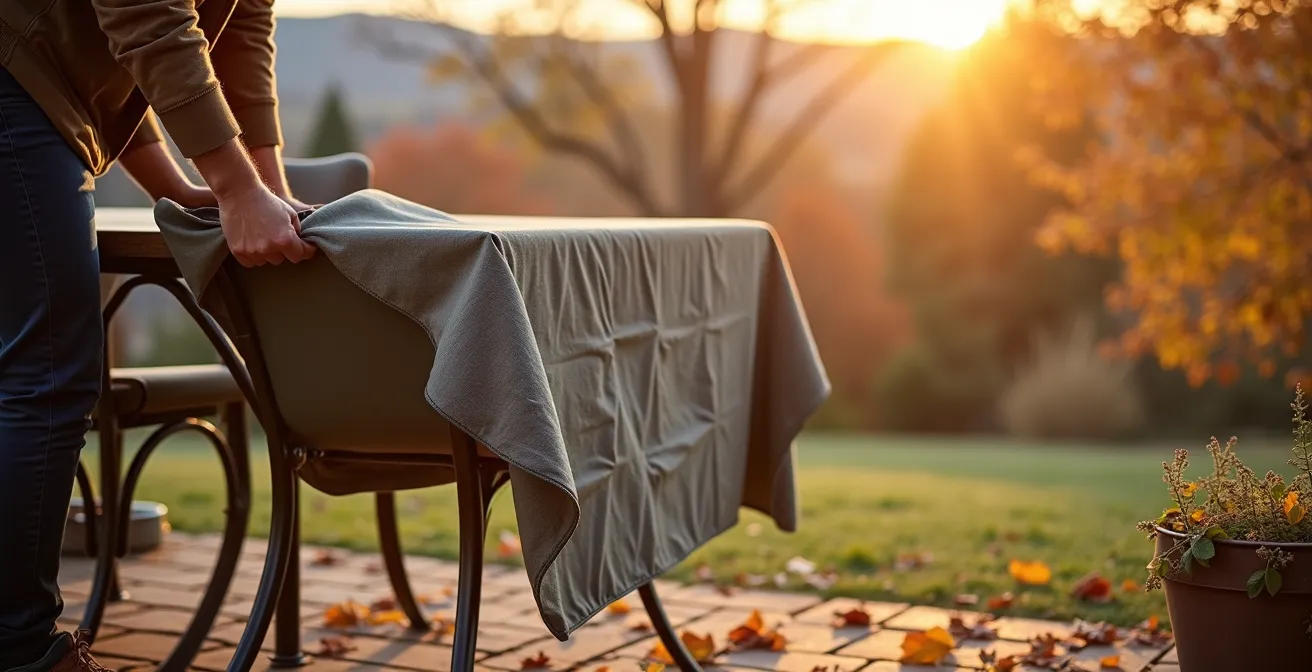
This moment of transition, preparing your outdoor space for the coming cold, is a critical act of preservation. Choosing the right time and the right cover is an investment that pays dividends in the form of furniture that looks just as good next spring.
How to Identify Truly Sustainable Manufacturing Processes Behind Everyday Products?
The term “sustainable” is often used in marketing, but a truly sustainable manufacturing process in the context of durable goods like outdoor furniture goes beyond simply using recycled materials. It encompasses a full-lifecycle, or circular economy, approach. This means the product is not just made from responsible sources, but is also designed to be repaired, reused, and ultimately, recycled back into a similar product at the end of its life, preventing it from ever entering a landfill.
To identify this, look for evidence of a closed-loop system. Does the manufacturer talk about their process for reclaiming and reprocessing old products? A key indicator is a take-back program, where the company facilitates the return of old furniture to be ground down and used as raw material for new items. This demonstrates a genuine commitment to product stewardship beyond the initial sale. Another sign is a focus on “design for disassembly.” This means the product is constructed with common fasteners and modular parts that can be easily separated into pure material streams (e.g., aluminum frames, HDPE lumber, stainless steel hardware) for efficient recycling.
Certifications can offer a clue, but they are not the whole story. While an FSC (Forest Stewardship Council) certification for wood is a good sign of responsible forestry, it doesn’t guarantee a circular model. The most powerful proof lies in the company’s own operational transparency and long-term commitments, such as offering a lifetime warranty, which intrinsically links the manufacturer’s success to the product’s longevity and recyclability.
Case Study: POLYWOOD’s Circular Manufacturing
A prime example of this philosophy in action is the process used by POLYWOOD. The company actively sources landfill-bound and ocean-bound plastics, primarily milk jugs, and transforms them into high-density polyethylene (HDPE) lumber within a closed-loop manufacturing and recycling facility. Their furniture is specifically designed for complete disassembly. At the end of its long life, the product can be returned through a take-back program, where it is ground down and reformed into new furniture pieces. This commitment to a true circular economy is backed by extensive residential warranties, effectively eliminating the concept of waste from their product lifecycle.
How to Maintain a Lush Landscape All Year With Minimal Weekly Effort?
Maintaining a lush landscape often focuses on plants, soil, and water, but a frequently overlooked factor is the impact of the objects we place within it. Heavy outdoor furniture can be a significant source of stress on your lawn and garden, but with a strategic approach, you can integrate it harmoniously with minimal weekly effort. The key is to create dedicated, stable zones for your furniture that protect the living landscape around it.
The most common damage is lawn compaction and dead spots created by the weight of chairs and tables. The simple solution is to avoid placing heavy furniture groupings directly on the grass. Instead, position them on dedicated hardscaping such as a stone patio, a deck, or a designated gravel area. If you must place items on the lawn, choose lightweight aluminum pieces that can be moved easily for mowing and to allow the grass underneath to recover. For heavier pieces on soft ground, using “furniture feet” or coasters can help distribute the weight and prevent legs from sinking into the soil after a rain.
Another consideration is water and chemical runoff. When you clean your furniture or treat it with oils or sealants, overspray can harm or kill adjacent plants. A simple preventative measure is to move the furniture to a driveway or use a protective tarp over nearby garden beds during maintenance. Better yet, opt for plant-safe cleaning solutions, like a simple vinegar and water mixture, instead of harsh chemicals. Finally, for larger furniture groupings, consider installing permeable pavers. These pavers provide a solid, stable surface while allowing rainwater to percolate through to the ground below, preventing excessive water runoff that can erode soil in other parts of your yard.
Key Takeaways
- Durability is engineered, not accidental. Look for materials specifically designed to combat environmental threats like UV radiation, corrosion, and moisture.
- Understand the failure modes: plastics suffer from photodegradation, metals from corrosion (especially galvanic), and porous materials from freeze-thaw cycles.
- Maintenance is a strategic choice. The “natural” look (e.g., silver teak) is often the lowest-effort path to longevity, while preserving a “new” look requires consistent labor.
How to Identify and Buy Authentic Artisan Crafts Without Exploiting Locals?
When purchasing outdoor furniture or decor that is marketed as “artisan-made,” discerning genuine craftsmanship from mass-produced replicas is the first step in ensuring your purchase is ethical. True handcrafted items possess a “perfectly imperfect” quality. Look for subtle, non-uniform details: slight variations in a wicker weave, the faint marks of a hand-sanding tool on a wooden surface, or joinery that doesn’t have the flawless precision of a machine. These are not defects; they are the signatures of the human hand.
Once you’ve identified a potentially authentic piece, the next step is to investigate the supply chain. This requires moving beyond surface-level “fair trade” labels, which, while beneficial, only set a minimum standard. The goal is to understand if you are participating in an exploitative or an empowering transaction. The most effective way to do this is to ask direct and specific questions of the seller. Don’t ask “Is this ethically made?” Ask, “Can you tell me about the specific artisan or cooperative that made this?” or “What is the cultural significance of this design?” A seller connected to a genuine artisan will be able to provide a story, a name, and a context. A reseller of mass-produced goods will likely falter.
Inquire about the business model. Ask, “How does the artisan benefit directly from this sale?” This can help you distinguish between different ethical models. Some importers practice a Direct Trade model, which often fosters a personal relationship with the artisans and may pay them a price significantly higher than the fair-trade minimum. This model cuts out intermediaries, ensuring a much larger share of the final sale price flows directly back to the creator. By engaging in this dialogue, you transform from a passive consumer into an active participant in a more equitable exchange.
To apply these engineering and ethical principles effectively, your final step is to audit your specific climate and patio conditions, allowing you to prioritize the threats you need to defend against and make an investment that aligns with both your durability needs and your values.
Frequently Asked Questions on How to Choose Outdoor Furniture That Withstands Rain, Sun, and Snow for 10 Years?
What’s the most critical weather signal for covering furniture?
The first forecast showing nighttime temperatures below 32°F (0°C) followed by daytime temperatures above freezing indicates the start of freeze-thaw cycles that cause the most damage.
Should I cover furniture during early autumn rains?
Only cover wicker and untreated wood during autumn rains. High-grade teak and powder-coated aluminum can remain uncovered until the first hard frost, as premature covering in humid conditions promotes mold growth.
How do I know if humidity is too high for covering?
If average daily humidity exceeds 70%, use breathable covers only. Non-breathable covers trap moisture and create greenhouse conditions for mold when humidity prevents daily condensation from evaporating.
What are the signs of authentic hand-craftsmanship?
Look for subtle variations in weave patterns, hand-sanded surfaces with slight irregularities, non-standard joinery marks, and the ‘perfectly imperfect’ quality that distinguishes handwork from machine production.
What questions should I ask sellers to verify authenticity?
Ask: ‘Can you tell me about the specific artisan who made this?’, ‘What is the cultural significance of this design?’, and ‘How does the artisan benefit directly from this sale?’ Genuine sellers will provide detailed, personal responses.
How does Direct Trade differ from Fair Trade certification?
While Fair Trade sets minimum standards, Direct Trade models often practiced by smaller importers can offer higher-than-market prices and foster direct relationships with artisans, ensuring a greater share of profits goes directly to creators.